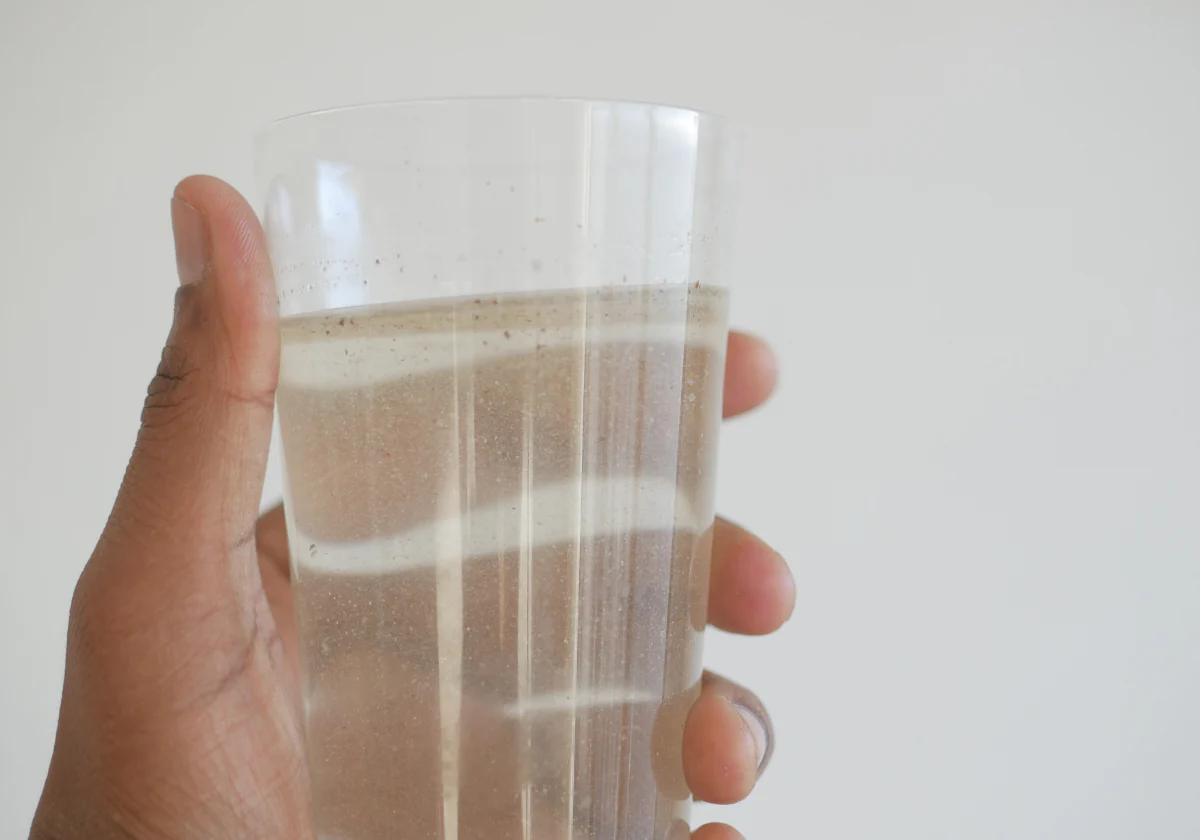
It is a situation many homeowners have experienced: the municipal water authority announces a temporary line repair, a fire hydrant down the street is opened for routine testing, or a sudden power outage briefly knocks out the local water treatment plant. When the water finally comes back on, you turn on your kitchen faucet, expecting a clean, refreshing stream. Instead, you are greeted by a sputtering hiss, a cloud of discolored water, and a distinct, unexpected odor.
Whether it smells like rotten eggs, pool chlorine, metallic rust, or musty dirt, a change in water odor after a pressure drop can be deeply unsettling.
While your immediate instinct might be to worry that your water supply has been permanently contaminated, the reality is usually tied to hydraulics, plumbing physics, and chemical shifts within your pipes. Understanding why a drop in water pressure alters the scent of your tap water can help you determine whether you are dealing with a temporary, harmless disruption or a situation that requires a call to a professional plumber or your municipal supplier.
The Physics and Plumbing of a Pressure Drop
To understand why water smells different after a pressure drop, it helps to look at how water moves through your home. Your domestic plumbing relies on constant, positive pressure to keep water flowing in one direction—from the main city line, through your service line, and out of your taps. In situations where sudden loss of line pressure creates back-siphonage concerns, scheduling bacteria water testing in Manhattan ensures that transient vacuum conditions did not pull organic contaminants into domestic lines. This pressure usually sits comfortably between 40 and 60 pounds per square inch (PSI).
When a main breaks, a pump fails, or high-volume usage occurs nearby, that positive pressure plummets. This sudden drop triggers a sequence of physical reactions within both the public infrastructure and your private plumbing system.
1. Scouring and Biofilm Dislodgement
Water mains and residential copper or galvanized pipes are not perfectly sterile environments. Over decades of service, a microscopic layer of minerals, harmless bacteria, and organic matter adheres to the inner walls of the pipes. This is known as a biofilm.
Under normal, steady pressure, this biofilm remains stable and undisturbed. However, when pressure drops and rapidly restores, the sudden rush of water creates a scouring effect. The turbulent water shears the biofilm and mineral scales (like iron and manganese) off the pipe walls, suspending them in the stream. As these dislodged particles arrive at your faucet, they release trapped gases and organic compounds directly into the air, creating a sudden, noticeable scent.
2. Siphonage and Backflow
When pressure drops significantly in a water main, it can create a vacuum or a “negative pressure” event. This vacuum acts like a straw, sucking water backward. If a cross-connection exists—such as a garden hose submerged in a bucket of soapy water, or a pesticide sprayer attached to a spigot without a proper backflow preventer—foreign substances can be drawn backward into your home’s internal plumbing network. When pressure normalizes, these pulled-in contaminants are delivered straight to your fixtures, carrying unique and often foul odors with them.
Deciphering the Scents: What Does the Odor Mean?
Not all water odors are created equal. The specific scent wafting from your sink after a pressure event provides critical clues about exactly what happened inside your pipes.
The Rotten Egg or Sulfur Smell
A distinct sulfur or rotten egg smell is one of the most common complaints following a pressure disturbance. This odor is caused by hydrogen sulfide ($H_2S$) gas.
Deep within plumbing dead-ends, water heaters, and stagnant sections of municipal mains, anaerobic bacteria known as sulfur-reducing bacteria thrive. These bacteria feed on naturally occurring sulfates in the water and produce hydrogen sulfide gas as a byproduct. Under normal pressure, these gases remain dissolved in the water or are confined to isolated pockets.
When a pressure drop occurs, the physical agitation can stir up these bacterial colonies. Furthermore, the drop in pressure allows dissolved gases to rapidly escape from the solution—much like opening a bottle of carbonated soda. When you turn on your tap, the gas volatilizes into the air instantly, hitting your nose before the water even fills your glass.
The Bleach or Heavy Chlorine Smell
If your water suddenly smells like a public swimming pool after a pressure restoration, it is usually the result of a deliberate action by your utility provider.
Whenever a water main fractures or undergoes repair, the city events and disturbances open up the sealed system to the external environment. Dirt, groundwater, and outdoor bacteria can easily enter the broken pipe during repairs. To counteract this potential contamination, water treatment operators perform “shock chlorination.” They flush the repaired lines with elevated levels of chlorine or chloramines to ensure the water remains safe and sterile. When this highly treated water reaches your tap, the chemical aroma will be significantly stronger than usual.
The Metallic or Rusty Smell
A sharp, metallic odor accompanied by red, brown, or yellow discoloration points toward mineral disturbance. Over time, iron and manganese naturally precipitate out of groundwater and settle as sediment at the bottom of large water mains and inside old residential iron pipes.
A sudden drop in pressure changes the velocity and direction of the water flow. This turbulence kicks up the settled iron and manganese rust. While iron-heavy water is generally not a health hazard, the oxidized metals give off a strong, ink-like or pennies-style metallic odor that can linger until the lines are thoroughly cleared.
The Musty, Earthy, or Woody Smell
An earthy or musty smell after a pressure drop often indicates that organic sediment or harmless algae blooms inside the reservoir or distribution system have been stirred up. It can also point toward a disturbance within your own home’s inside buildings plumbing setup.
When lines depressurize, stagnant water from rarely used pipe branches or older galvanized segments can mix back into the primary flow. This water has often sat in contact with pipe materials for an extended period, absorbing organic aromas that are released when the tap is opened.
Is It Safe to Drink?
The safety of your water following a pressure drop depends heavily on the cause of the disruption. If the pressure drop was localized to your home—such as replacing a shut-off valve under your sink—the water is almost certainly safe once flushed.
However, if the pressure drop occurred on a municipal level due to a broken water main or a power failure at a treatment plant, there is a risk that harmful pathogens like E. coli or Giardia could have infiltrated the depressurized lines via groundwater seepage.
For this reason, utilities will issue a Boil Water Advisory if pressure drops below a certain threshold (typically 20 PSI). According to guidelines established by the Environmental Protection Agency (EPA), any water intended for drinking, cooking, brushing teeth, or washing dishes should be brought to a rolling boil for at least one full minute during an advisory to neutralize potential biological hazards. Always check with your local water authority’s website or local news channels to verify if an active advisory is in place for your neighborhood.
Step-by-Step: How to Clear the Odor from Your Tap
If your water pressure has returned to normal but a strange smell lingers, you can take several practical steps to flush the system and restore clean, odorless water to your home.
[Pressure Drop Occurs] -> [Biofilm & Sediment Stirred Up] -> [Odor Appears at Tap]
                                                                     |
                                         +---------------------------+---------------------------+
                                         |                                                       |
                         [Active Boil Water Advisory]                             [No Active Advisory]
                                         |                                                       |
                         Bring water to a rolling boil                            Flush the cold taps
                         for 1 minute before use.                                 from lowest to highest floor.
1. Run the Cold Water Taps
Do not run your hot water taps initially. If you draw discolored, smelly water straight into your hot water line, you will fill your water heater tank with sediment, which can prolong the problem and potentially damage the heating elements.
Instead, go to the lowest level of your home (such as a basement utility sink or a ground-floor bathtub) and turn on the cold water valve completely. Let it run for 10 to 15 minutes. Bathtub spigots are ideal for this because they feature a higher flow rate than standard sinks and lack restrictive aerators that can trap debris.
2. Move from Bottom to Top
Once the lowest tap runs clear and odorless, move through your house floor by floor, opening the cold taps to flush out any air pockets and trapped odors. This systematic flushing helps clear out the localized water systems infrastructure within your home’s walls.
3. Clean Faucet Aerators
If the smell is gone but your water pressure still feels slightly weak or uneven, unscrew the small mesh aerators from the tips of your faucets. Pressure drops frequently break loose small flakes of calcium and rust that get trapped right behind the aerator screen, restricting flow and holding onto musty odors. Rinse the screens under clean water and reinstall them.
4. Address the Water Heater
If you notice that the strange smell occurs only when you run hot water, but the cold water smells perfectly fine, the pressure drop likely disturbed the sediment at the bottom of your water heater tank. Alternatively, it may have reacted with a degrading sacrificial anode rod inside the tank. In this scenario, flushing your water heater according to the manufacturer’s instructions will usually resolve the issue.
When to Call a Professional
In the vast majority of cases, a brief flush of your cold water lines will return your home’s water quality to its baseline state within an hour. However, you should monitor the situation closely to ensure there isn’t a deeper issue with your domestic water quality realities.
Consider reaching out for professional assistance if you experience any of the following:
- Persistent Odor: The smell does not dissipate even after running your taps for more than 30 minutes.
- Low Pressure: Your water pressure remains significantly lower than it was prior to the disruption, indicating a potential hidden leak or a blockage in your pressure-reducing valve (PRV).
- Recurring Odors: The smell goes away but returns every time the water sits in the pipes for a few hours.
If you suspect the issue extends past your property line, contact your city’s water department. They can check for nearby construction, flush the neighborhood fire hydrants to clear out regional water mains, or provide updated testing data regarding the safety of your local supply. For additional troubleshooting steps on common home water anomalies, exploring an online faq directory can offer quick answers to specific regional water concerns.
Conclusion
A change in tap water odor following a pressure drop is a logical reaction to a sudden physical disruption within a complex plumbing network. Whether caused by scoured biofilms, municipal shock chlorination, or suspended mineral sediment, understanding the root cause can turn an alarming situation into a manageable home maintenance task. By systematically flushing your cold lines and staying informed about local utility notices, you can quickly ensure that the water flowing from your tap is as clean, safe, and fresh-smelling as it should be.