Water Insider
Water Insider is a premium, insider-style publication dedicated to explaining how urban water actually works. Unlike typical consumer guides or utility websites, we take a deep look behind the scenes at municipal water systems, building plumbing, and neighborhood infrastructure.
Behind the System
We break down how municipal water systems actually operate beyond public reports and surface-level data.
Building-Level Reality
Water quality changes inside buildings — we explain how plumbing, pressure, and infrastructure affect what you actually get.
Neighborhood Insights
Every area has different water behavior. We uncover how local pipelines, age, and demand shape your supply.
Clear, No-Jargon Explanations
Complex water systems made simple — no technical overload, no scare tactics, just clear understanding.
What Water Insider Is?
Complex Infrastructure:
City water doesn’t simply travel in a straight line. It moves through networks of pipes, pumping stations, and pressure zones, interacting with old/new materials and varying flow rates.
Building Dynamics:
Buildings add another layer of complexity—risers, booster pumps, and storage tanks all influence pressure, flow, and even taste. We demystify what happens between the city main and your faucet.
Evidence-Based Clarity:
We focus on clarity and real-world examples. Readers gain actionable understanding of everyday phenomena like discolored water, fluctuating pressure, and unusual odors.
Empowering Readers:
Whether you're a homeowner in a brownstone or a renter in a high-rise, we bridge the gap between technical detail and daily experience to help you make informed decisions.
Who the Site Helps?
We help residents understand why their tap behaves differently from their neighbors’ or why water may taste, smell, or appear inconsistent at times. By explaining the mechanics behind these changes, we reduce confusion and unnecessary concern.
Homeowner Water Insights
We provide homeowners with insight into how building age, internal plumbing, and infrastructure upgrades influence water behavior. This helps with maintenance decisions, fixture upgrades.
Urban & Apartment Water Analysis
We explain why high-rise buildings and dense urban neighborhoods experience unique pressure zones, fluctuating temperatures, and variable flow patterns.
Household Water Guidance
We offer practical guidance on water quality, safety, and variability, giving reassurance for everyday household use, especially for families and children.
Research & Media Support
We act as a credible resource for journalists and researchers looking to understand city water systems and infrastructure. Our content translates technical and investigative insights into clear, accessible language.
Why Tap Water Behaves Differently from Street to Street and Building to Building
Tap water is not uniform, even within the same neighborhood. One building may have crisp, clear water while another nearby reports occasional discoloration or pressure fluctuations. Understanding why this happens requires a closer look at both municipal systems and internal plumbing.
Network & Pressure Zones
City water systems are divided into pressure zones designed to balance supply across large urban areas. Pipe age, material, elevation, and flow patterns all contribute to noticeable differences in water quality, consistency, and delivery from one area to another.
Building Plumbing Layers
Inside buildings, water passes through a mix of plumbing materials such as copper, brass, galvanized steel, and PEX. These layered systems, combined with valves and fixtures, directly influence pressure, temperature, and overall water consistency at each tap.
Floor-to-Floor Variation
Water behaves differently across building heights due to pressure regulation systems, booster pumps, and storage tanks. Lower floors often receive stronger, more stable flow, while higher levels may experience variations in pressure and temperature.
External Disruptions
Temporary events such as construction work, hydrant use, system flushing, or sudden weather changes can affect water clarity, pressure, and taste. These shifts are usually short-lived but can feel unexpected without proper context.
A Simple Explanation of What the Site Covers
Water Insider is organized to provide a clear, comprehensive view of urban water from source to faucet. Our content is grouped into sections that cover both broad systems and detailed phenomena, offering readers a complete understanding of how water behaves in dense cities.
Water Systems & Infrastructure explores municipal networks, reservoirs, pressure zones, pumping stations, and the mechanics of delivery across neighborhoods. We explain why water moves differently in various parts of a city and how maintenance, construction, and seasonal changes influence tap experiences.
Inside Buildings & Plumbing dives into the internal factors shaping water behavior: pipes of different materials and ages, risers, storage tanks, booster pumps, faucets, and fixtures. Readers learn why pressure, clarity, and taste vary between units and floors, and how renovations or aging systems contribute to temporary changes.
Water Quality Realities focuses on what normal water variability looks like, including taste, odor, color, and temperature changes. We clarify common misconceptions, explain aesthetic versus safety concerns, and show how small disturbances ripple through urban plumbing networks.
City Events & Disturbances track disruptions such as hydrant flushing, main breaks, emergency repairs, and construction. By understanding the impact of these events, readers can contextualize temporary changes and avoid unnecessary alarm.
Finally, Deep Dive Reports provide investigative insight into specific issues, revealing the real-world operation of urban water systems. These reports combine data, expert commentary, and on-the-ground observations to give readers a behind-the-scenes perspective often reserved for professionals.
By covering these areas, Water Insider equips readers to understand why water behaves the way it does in their home, building, or neighborhood. The site empowers city residents, parents, homeowners, and professionals to interpret their tap water with clarity, confidence, and a deeper appreciation of the complex systems at work.
FAQs
Tap water can vary due to differences in municipal pressure zones, pipe materials, building plumbing, and water age. Even small variations in flow, storage tanks, or booster pumps can subtly change taste, clarity, or temperature. These differences are normal and usually not a safety concern.
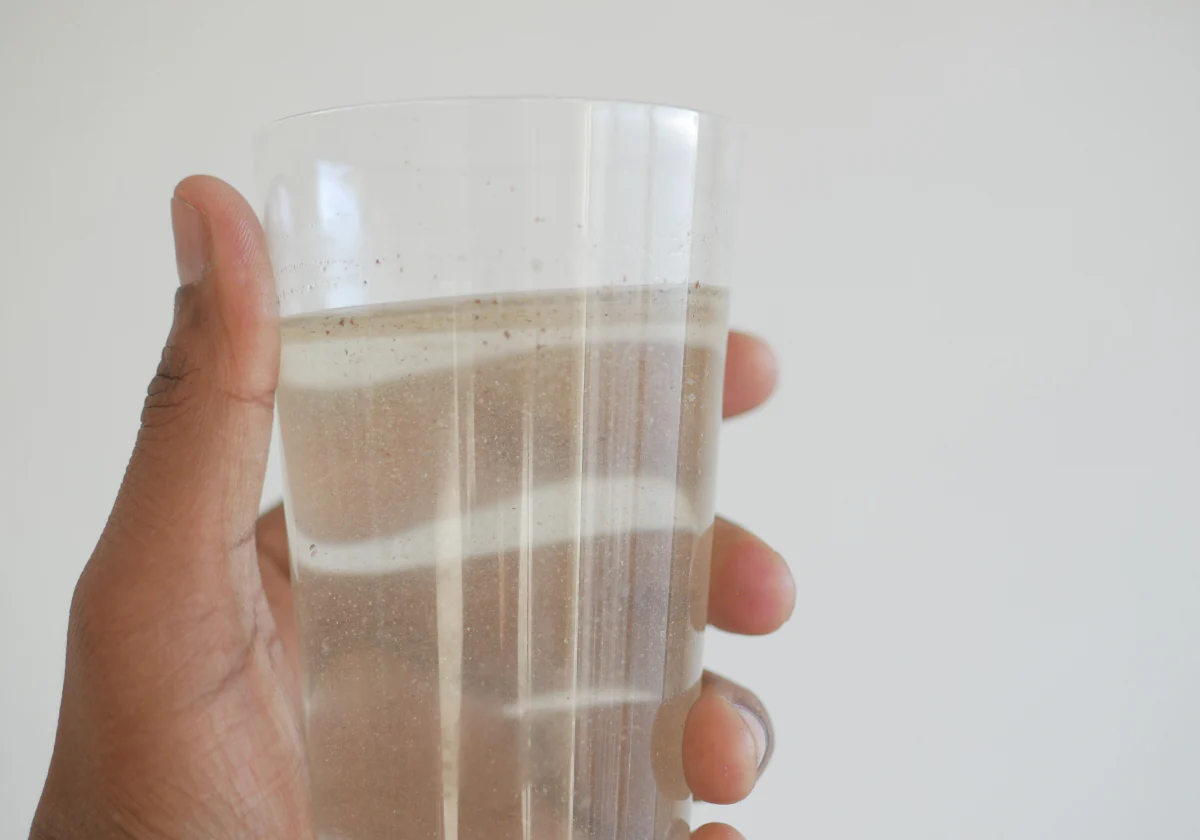
Discoloration is typically caused by rust, manganese, sediment, or pressure fluctuations in mains or building pipes. Events like hydrant flushing, construction, or main repairs can stir up these particles. Running your tap for a few minutes usually clears the water.
Cloudy water is almost always due to tiny air bubbles trapped under pressure in mains and pipes. When the tap is opened, the pressure drops and the bubbles rise, creating a temporary milky appearance. This is harmless and clears quickly.
High-rise buildings often rely on booster pumps and storage tanks to maintain pressure across multiple floors. These systems can create temporary fluctuations in flow, pressure, and sometimes taste. Understanding this helps residents interpret normal variations versus real issues.
If unusual taste, discoloration, or low pressure continues beyond a few hours or days, check if the issue is limited to your building or fixtures. Cleaning aerators, running taps, or consulting building maintenance may resolve minor issues. Persistent problems may warrant contacting your local water utility or a licensed plumber for further investigation.