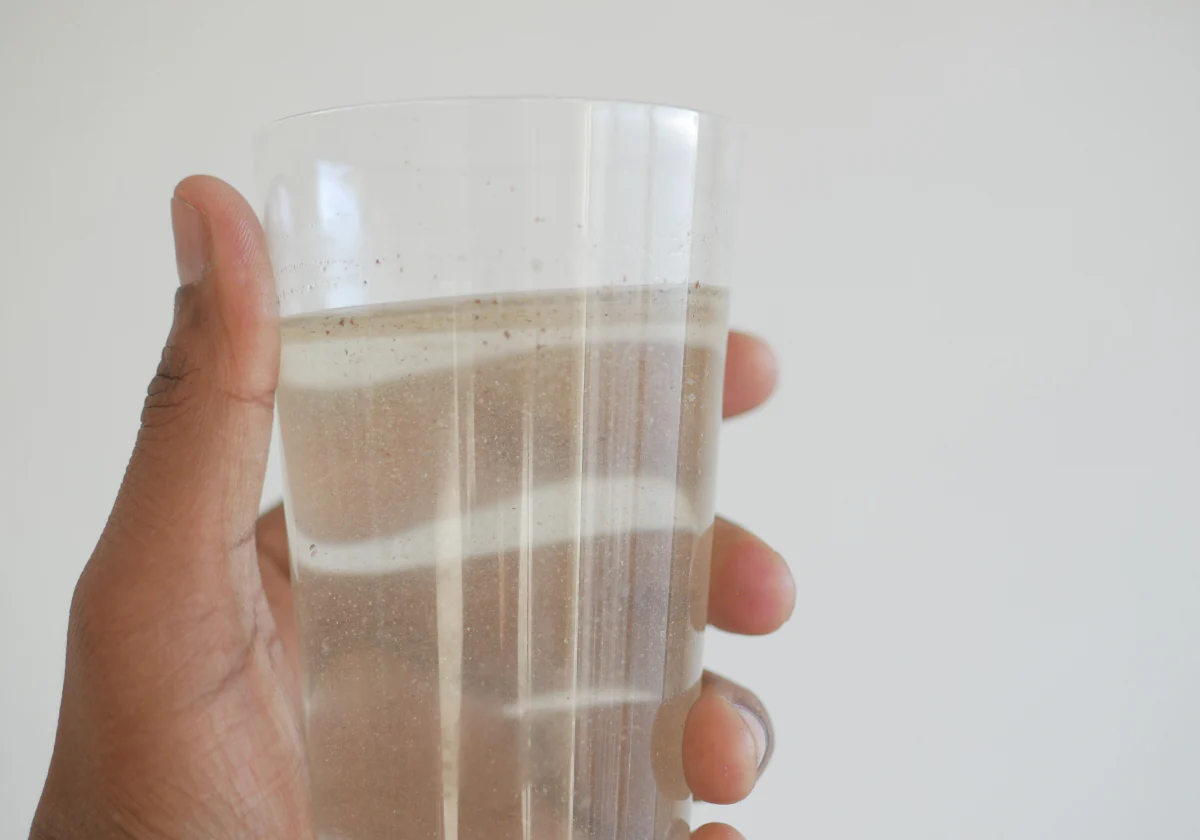
The improvement in water taste after running your tap for a minute or two comes down to a mix of physics, chemistry, and biology happening inside your home’s pipes. When water sits stationary in your plumbing, its environment changes significantly compared to when it is flowing through active municipal mains.
Here is exactly what happens while your water is sitting still, and why a quick flush fixes it.
1. Temperature Drop and Dissolved Oxygen
The most immediate change you notice after flushing a line is that the water gets noticeably colder. Stagnant water in your home’s pipes gradually warms up to match the ambient indoor temperature of your walls, basement, or under-sink cabinets.
Warm water tastes flatter and less refreshing because it cannot hold as much dissolved oxygen as cold water. When you flush the tap and the water temperature drops, you are receiving fresh, highly oxygenated water straight from the buried municipal mains. Cold water numbs the taste buds slightly, making minor mineral flavors less perceptible and far more refreshing.
2. Elimination of Pipe Material Leaching
Water is an excellent solvent. The longer it sits in contact with a material, the more it interacts with that material on a molecular level.
- Copper and Brass: If your home has copper plumbing or brass fixtures, water sitting overnight can leach tiny amounts of copper or zinc. This introduces a sharp, metallic, or bitter taste.
- Galvanized Iron: Older homes with galvanized pipes can suffer from iron leaching, giving the water an ink-like or pennies-style flavor and a faint yellowish tint.
- Plastics (PEX and PVC): In newer homes, water sitting in flexible plastic lines can occasionally absorb volatile organic compounds (VOCs) from the pipe material, resulting in a faint plastic or chemical taste.
Flushing the tap for 60 seconds completely clears out this “stagnant zone” of water that has been absorbing pipe characteristics for hours, replacing it with fresh water that has passed through the system too quickly to leach anything noticeable.
3. Dissipating Off-Gases and Bacterial Byproducts
Even in a perfectly clean plumbing system, microscopic biofilms (harmless layers of bacteria and microscopic organisms) exist on the inner walls of the pipes. When water stops moving, these organisms consume trace amounts of organic matter and release microscopic byproducts.
For instance, sulfur-reducing bacteria in stagnant sections or water heaters can produce tiny amounts of hydrogen sulfide gas, which tastes flat or faintly musty. Additionally, municipal disinfectants like chlorine can degrade or react with these biofilms when left standing, creating compounds that alter the taste. Running the tap sweeps these localized byproducts down the drain.
How Long Should You Actually Flush?
For daily first-time use (like making your morning coffee), running the water until it feels noticeably colder—usually between 30 and 60 seconds—is sufficient to clear the localized plumbing inside your walls.
If a home has been vacant for several weeks or you suspect old lead or galvanized lines, a longer flush of 2 to 3 minutes from a high-flow fixture (like a bathtub) is recommended to clear the entire service line connecting your home to the street.