It is a scenario that plays out in cities and suburbs across the country every single week. A major water main ruptures under a main avenue, a massive rainstorm floods a regional treatment plant, or a scheduled structural upgrade forces utility workers to depressurize a neighborhood grid. The local utility department issues an alert, dispatches crews, and works around the clock to finish the repair.
A few hours later, a follow-up notification arrives: The main has been repaired. Water services have been fully restored.
For most residents, this notice brings an immediate sigh of relief. You expect that turning on your kitchen faucet will instantly deliver the same pristine, high-pressure, crystal-clear water you enjoyed before the incident. But reality often tells a completely different story.
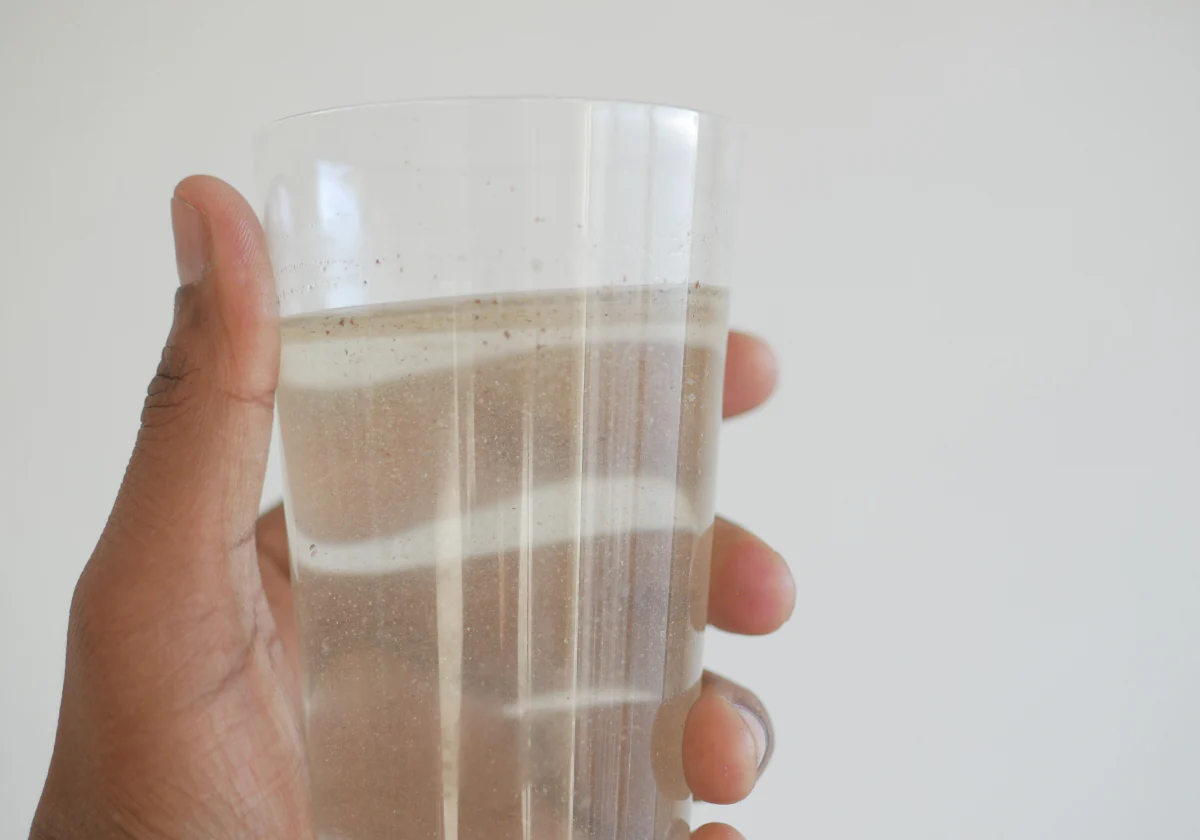
Instead, your pipes knock violently, the water comes out in an unpredictable, sputtering foam, and the color resembles a weak cup of tea. If you call the city, they will reiterate that the primary infrastructure is operating perfectly. So, what gives?
The truth is that municipal water networks do not instantly snap back to equilibrium like a flipped light switch. When a massive, pressurized fluid system experiences a sudden shock, it triggers a cascade of physical, chemical, and hydraulic imbalances that take days to fully resolve. Understanding how long it actually takes for your water to stabilize—and why—requires pulling back the curtain on both public networks and private plumbing.
1. The Real Timeline of Public Grid Normalization
When a utility company declares that water has been “restored,” they are using a civil engineering definition, not a cosmetic one. To an engineer, restoration simply means that the structural breach has been sealed, the isolation valves have been reopened, and the main grid is once again holding full hydraulic pressure.
However, rebuilding pressure across miles of interconnected underground pipes is a slow, geometric process.
When a section of a water main is shut down for maintenance, it creates a massive low-pressure void. When fresh water is pumped back into that segment, it moves like a massive wave, pushing miles of air ahead of it. While crews utilize specialized air-release valves on street hydrants to vent this trapped atmosphere, millions of microscopic air pockets inevitably slip into the private service lines leading to individual homes.
Furthermore, shifting the velocity of water inside old municipal lines triggers a phenomenon known as structural shearing. Over decades of constant contact, the interior walls of cast-iron or concrete city mains develop a stable mineral scale layer.
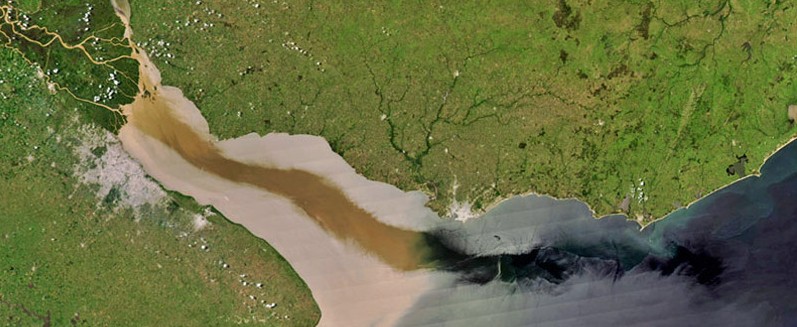
The sudden, turbulent shockwave of a system restart acts like a pressure washer against these brittle pipe interiors, ripping loose fine sediment, iron rust flakes, and accumulated silt. Even after the initial repair zone is completely clear, this dislodged sediment wave can travel through the network for 24 to 48 hours before settling out or exiting the system completely.
2. Why Your Home’s Plumbing Acts as a Storage Vault for Stress
Even if a municipal utility company executes a textbook repair and manages to flush the street lines perfectly, your home’s internal plumbing network serves as a literal memory bank for the disruption. The private pipes hidden inside your walls are highly sensitive to external system shocks.
When street-level pressure drops, it can cause the water columns inside your home’s vertical risers to drain backward slightly or lose their natural equilibrium. When the high-pressure municipal rebound surge hits your property line, it slams into these unpressurized internal lines.
The Internal Echo Effect:
This sudden hydraulic friction jars your pipes, causing them to vibrate against their structural supports and loosen internal copper or iron oxidization. For a comprehensive look at how these internal dynamics operate during local infrastructure challenges, exploring the structural layout of inside buildings plumbing can give you an excellent blueprint of why your home holds onto disruptions longer than the street grid does.
- Trapped Air Spring Legs: Most home plumbing systems include dead-end vertical pipe extensions designed to act as air cushions, preventing water hammer. When a disruption forces large pockets of air into your home, those pockets can become permanently trapped in these high dead-ends. They compress and expand every time you open a faucet, creating erratic pressure drops and sputtering flows for days.
- Thermal Lag in Water Heaters: Your home’s hot water tank holds anywhere from 40 to 80 gallons of stagnant or slow-moving water. When a post-disruption sediment wave passes through your property, a huge portion of those fine mineral particulates settles right at the bottom of your water heater. This sediment can continuously impart a flat, metallic, or earthy taste to your warm water lines for a week or more, until the tank has gone through enough heating and usage cycles to flush out completely.
3. The Chemistry Layer: Balancing Disinfection Defenses
Stabilizing a water system after a breach isn’t just a matter of mechanics and hydraulics; it is an active battle of chemical regulation. Whenever an underground water main cracks or loses pressure, the physical barrier protecting our clean water is compromised. Low internal pressure can allow surrounding groundwater, soil bacteria, or organic matter to seep into the pipeline.
To neutralize this potential biological threat, municipal treatment facilities will intentionally increase disinfectant dosing—typically chlorine or chloramines—across the affected sector as a standard safety protocol.
According to water quality monitoring protocols established by organizations like the American Water Works Association (AWWA), maintaining a specific chemical residual throughout the distribution grid is vital to proving the water is completely safe for public consumption. When you turn on your tap 12 hours after a repair, you might notice a sharp, distinct pool-like chemical smell.
This isn’t a system failure; it is proof that the city’s chemical defenses are actively working to sanitize the network. It can take several days for these elevated chlorine levels to naturally dissipate and stabilize back to their normal, neutral baseline profile across the neighborhood.
4. Differentiating Between Routine Stabilization and Genuine Hazards
For the average property owner, the ultimate goal is knowing how to differentiate between a completely normal, short-term stabilization cycle and a serious environmental issue that requires immediate action.
If your tap water runs slightly cloudy white for 60 seconds after a pressure restart, you are witnessing entrained air micro-bubbles escaping the fluid solution—a completely harmless physical reaction. But if your water remains intensely muddy, smells persistently of sulfur, or shows noticeable discoloration after hours of continuous flushing, the system shock may have breached an aging service line on your specific lot.
Developing the tools to accurately evaluate these post-incident symptoms is an invaluable skill for managing household wellness. Learning to map out these distinct sensory signs against verified water quality realities ensures you can confidently protect your family and determine when it is safe to drink and when it is time to alert a professional.
The Post-Disruption Stabilization Timeline
Understanding the exact physical process your water grid undergoes during a restart can help you manage your household usage safely:
| Phase / Timeline | Public Grid Operational Status | Internal Household Symptoms | Recommended Action Step |
| Hours 1 – 6 | Infrastructure repaired; main valves open; line pressure normalizing. | Violent faucet sputtering, heavy foaming, dark brown or orange water. | Do not run appliances or hot water. Open an un-aerated tap (like a bathtub or outdoor hose bib) to clear the main line. |
| Hours 12 – 24 | Pressure fully stabilized; line clearing underway; elevated chemical dosing active. | Micro-bubble cloudiness (milky water), strong pool-like chlorine aroma. | Let cloudy water sit in a glass for 60 seconds to check if it clears from the bottom up (indicating harmless air). |
| Days 2 – 3 | Main grid fully stable; sediment settling out in low-traffic loops. | Intermittent low pressure at single sinks, slight flat or metallic taste. | Unscrew and rinse out your faucet aerator mesh screens to remove trapped sediment flakes. |
| Days 4 – 7 | System fully stabilized at baseline operations. | Hot water lines may still carry an earthy smell or minor temperature fluctuations. | Run an empty, high-temperature hot water wash cycle to accelerate water heater tank turnover. |
Ultimately, keeping a clear eye on how these large-scale public distribution networks handle sudden city events disturbances can save you immense guesswork and protect your home’s infrastructure from unexpected wear and tear. By performing a strategic cold-water flush, maintaining your terminal fixtures, and respecting the natural physical timeline of hydraulic stabilization, you can safely guide your home back to a fresh, crisp, and completely dependable flow.
Are you looking for more detailed analytical data and structural case studies on the design, performance, and monitoring of modern municipal delivery networks? Expand your technical understanding of public utility infrastructure by exploring our comprehensive engineering reviews in our deep dive reports.