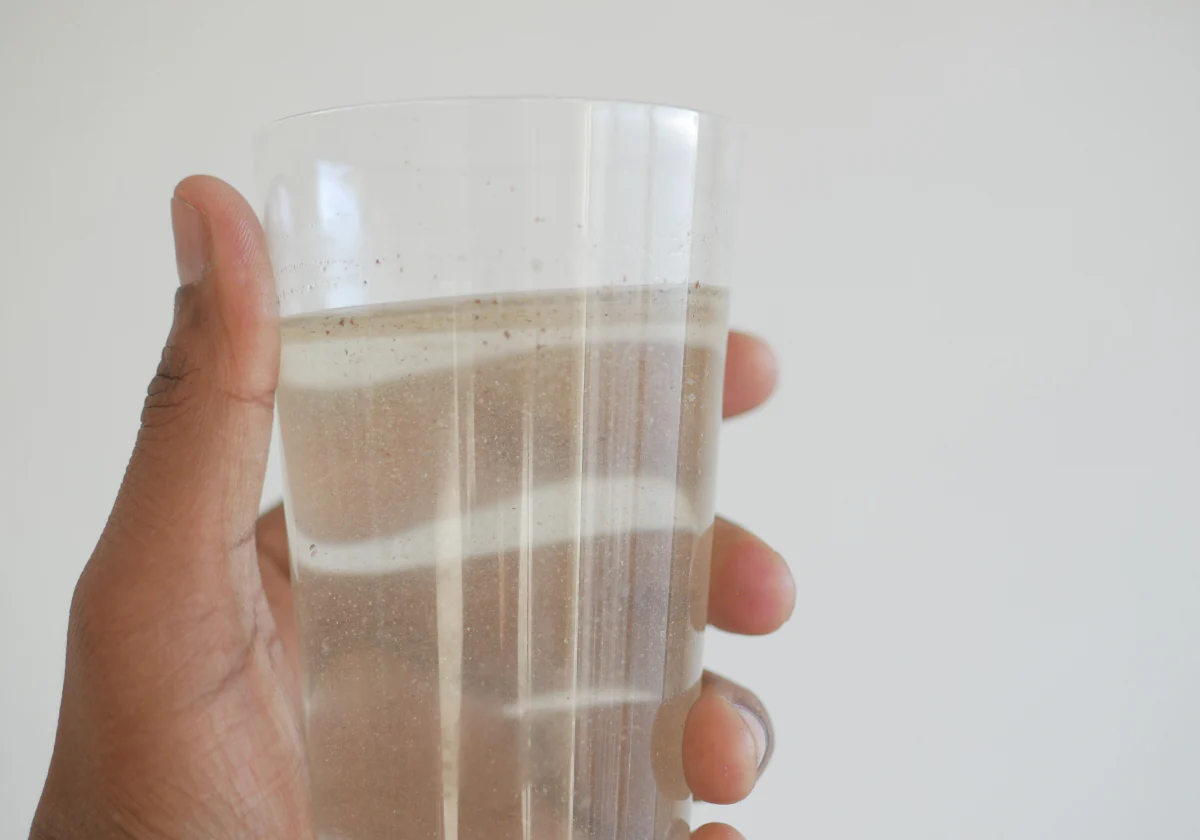
If you live in a historic or mature neighborhood, you are likely intimately familiar with the character of your house. From original hardwood floors to intricate architectural details, older homes offer a sense of charm that new constructions rarely match. But when you step into the kitchen or bathroom, that historic charm can sometimes introduce an entirely different, less appealing kind of unpredictability.
You might notice that the water pressure drops dramatically whenever the washing machine runs, or that the taste of your tap water carries a sharp metallic note on Monday morning but tastes perfectly fine by Friday night.
In contrast, friends who live in newly constructed subdivisions often enjoy absolute consistency—identical water pressure, unvarying flavor, and a completely predictable flow through every single season.
This stark contrast isn’t accidental. It is a direct result of how plumbing materials, engineering standards, and municipal connections have evolved over the last century. Older properties are inherently tied to legacy systems that are highly reactive to environmental shifts. Here are the true mechanical and material reasons why older homes experience far more water variability than new ones.
1. The Reactive Nature of Legacy Pipe Materials
The most significant driver of water variability in an older home is the material composition of the pipes hidden behind the walls. For much of the 20th century, residential plumbing relied heavily on galvanized iron, lead, and unlined copper.
While these materials were considered cutting-edge at the time of construction, they possess a highly reactive chemical nature. Over decades of continuous exposure to moving water, galvanized iron pipes undergo internal corrosion. This process creates a thick, rough layer of zinc and iron oxidization known as tuberculation along the interior walls of the pipe.
This jagged, internal rust layer transforms your plumbing from a smooth transit tube into a highly unstable environment.
When water demand spikes in your neighborhood, or when the city experiences a sudden pressure shift, the resulting hydraulic turbulence acts like a physical scraper against these brittle pipe interiors. It shears off microscopic iron flakes, calcium scale, and rust silt. Long after a local utility event concludes, your home’s reactive pipes will continue to slough off these materials into your stream, leading to sudden shifts in taste, clarity, and color that a modern, non-reactive plastic or lined pipe system would completely prevent.
2. Low Hydraulic Resilience and Volume Fluctuations
Modern homes are built under highly rigorous volumetric plumbing codes designed to ensure that multiple fixtures can run simultaneously without impacting one another. New constructions utilize advanced sizing calculations and separate manifold systems that allocate dedicated, high-pressure lines to individual appliances.
Older homes, however, were typically engineered around a simplified “trunk and branch” layout using narrow half-inch main lines.
Over decades of service, as internal mineral scale and rust build up inside these narrow lines, the effective internal diameter of the pipe shrinks dramatically. A pipe that started with a half-inch of clearance can easily narrow down to the width of a pencil.
This severe restriction drastically reduces your plumbing system’s hydraulic resilience. Because there is no volume buffer, your home cannot handle minor external pressure shifts. If the municipal grid experiences a minor drop in pressure during peak morning commuting hours, your scaled-down pipes cannot absorb the change, resulting in a sudden, frustrating drop to a weak trickle at your showerhead.
3. The Vulnerability of Older Main Service Lines
Water variability isn’t just created inside your walls; a significant portion of the unpredictability happens under your front lawn, right at the main service line connecting your house to the city water main under the street.
When a neighborhood undergoes an upgrade or experiences a major environmental disruption, the resulting pressure shockwaves travel through the underground grid. If your home’s main service line is constructed from legacy materials like lead, brittle clay, or unlined cast iron, it lacks the flexibility to handle these external hydraulic forces.
The Threat of Micro-Breaches:
These sudden pressure surges can create micro-fractures or loosen old joints along your private service line. When the ground becomes heavily waterlogged after a storm, or when local water pressure drops, these micro-breaches allow surrounding groundwater and fine soil sediment to seep directly into your private clean water stream.
For a comprehensive review of how these subsurface entry points function and how aging lines react during municipal disruptions, taking a closer look at the mechanics of city events disturbances can provide excellent structural context on why older lot connections remain uniquely vulnerable.
4. Sediment Accumulation in Legacy Fixtures and Appurtenances
Sometimes, the water entering an older home is perfectly stable, but the terminal fixtures themselves act as a storage vault for past system disturbances.
Older homes frequently feature beautiful, historic brass faucets, heavy porcelain-handled valves, and large-capacity hot water tanks. While these appurtenances are built to last structurally, their internal geometry contains numerous dead-ends and rough surfaces where dislodged mineral scale and street silt can permanently settle.
The Terminal Bottleneck:
Whenever a neighborhood water main undergoes maintenance, a wave of heavy sediment travels down the line. In a new home equipped with streamlined, modern fixtures, this fine debris passes through smoothly or is caught by easily cleanable polymer cartridges. In an older home, that sediment wave slams into complex internal valve paths and fine-mesh aerator screens, getting tightly wedged against the metal.
Keeping these aging endpoints clean and clear is a fundamental part of maintaining consistent domestic flow. Taking the time to systematically inspect, clear, or replace these terminal points is a critical step in stabilization. Regularly servicing or updating your internal inside buildings plumbing fixtures eliminates these localized bottlenecks, restoring a predictable and uniform flow to your daily routine.
5. Navigating the Line Between Normal Fluctuations and Structural Hazards
For owners of historic properties, the ultimate challenge is learning how to accurately differentiate between a completely normal, short-term aesthetic fluctuation and a serious structural hazard that requires immediate financial and mechanical intervention.
If your tap water runs slightly rusty for ten seconds on a Monday morning after sitting stagnant over the weekend, you are likely witnessing minor, localized micro-leaching from your home’s aging iron pipes—an annoying but manageable aesthetic nuance. However, if your water pressure permanently drops, or if your water runs consistently cloudy and carries a persistent chemical aroma, it indicates that your pipes are nearing the end of their operational lifespan and may be actively leaching heavy metals or experiencing a hidden subsurface failure.
Developing the analytical tools to monitor these internal changes is the ultimate key to protecting your property investment and your family’s health. Mapping out your home’s daily sensory symptoms against verified water quality realities ensures you can confidently manage your infrastructure and determine exactly when to transition from a simple flush to a professional replumbing project.
Water System Performance: Old vs. New Homes
Understanding how structural age alters fluid delivery can help you better identify the source of your home’s water quirks:
| Plumbing Attribute | Legacy Home Infrastructure (50+ Years) | Modern Home Infrastructure (New Construction) | Impact on Daily Water Flow |
| Pipe Composition | Galvanized iron, unlined copper, legacy lead solder. | Non-reactive PEX (cross-linked polyethylene), PVC, lined copper. | Older materials actively corrode and leach minerals, altering taste and color after stagnation. |
| Internal Diameters | Severely restricted due to decades of mineral tuberculation. | Maximized, pristine interior walls with zero scale buildup. | Shrinking pipe volume in older homes causes extreme pressure drops when multiple taps open. |
| System Geometry | Narrow “trunk and branch” layouts with rigid dead-end loops. | Sized manifold distribution networks with independent lines. | Modern layouts balance hydraulic pressure perfectly, preventing appliance volume spikes. |
| Terminal Fixtures | Intricate internal brass castings, old-style washers. | Streamlined ceramic disc cartridges, polymer aerator grids. | Older fixtures easily trap passing street sediment, creating long-term pressure bottlenecks. |
By recognizing that an older home’s water variability is driven by reactive pipe chemistry, reduced internal volume, and sediment-trapping fixture geometry, you can take a highly proactive approach to managing your property. Utilizing targeted cold-water flushes, clearing out terminal screens, and monitoring your property lines allows you to preserve the historic character of your home while enjoying a perfectly stable, fresh, and dependable flow through every faucet.
Are you looking for more actionable maintenance tips, material engineering guides, or structural troubleshooting blueprints for residential water systems? Expand your property management knowledge by browsing our extensive collection of expert columns on our blog.